Computer Vision
The decision it helps you make
Decide whether a computer vision system is technically feasible for your inspection or sorting problem, which imaging approach fits (standard camera, 3D/depth sensing, structured light, multispectral or combined with NIR/Raman), and whether to invest in building and integrating that system in-house or bring in outside development.
What Vibralytics does
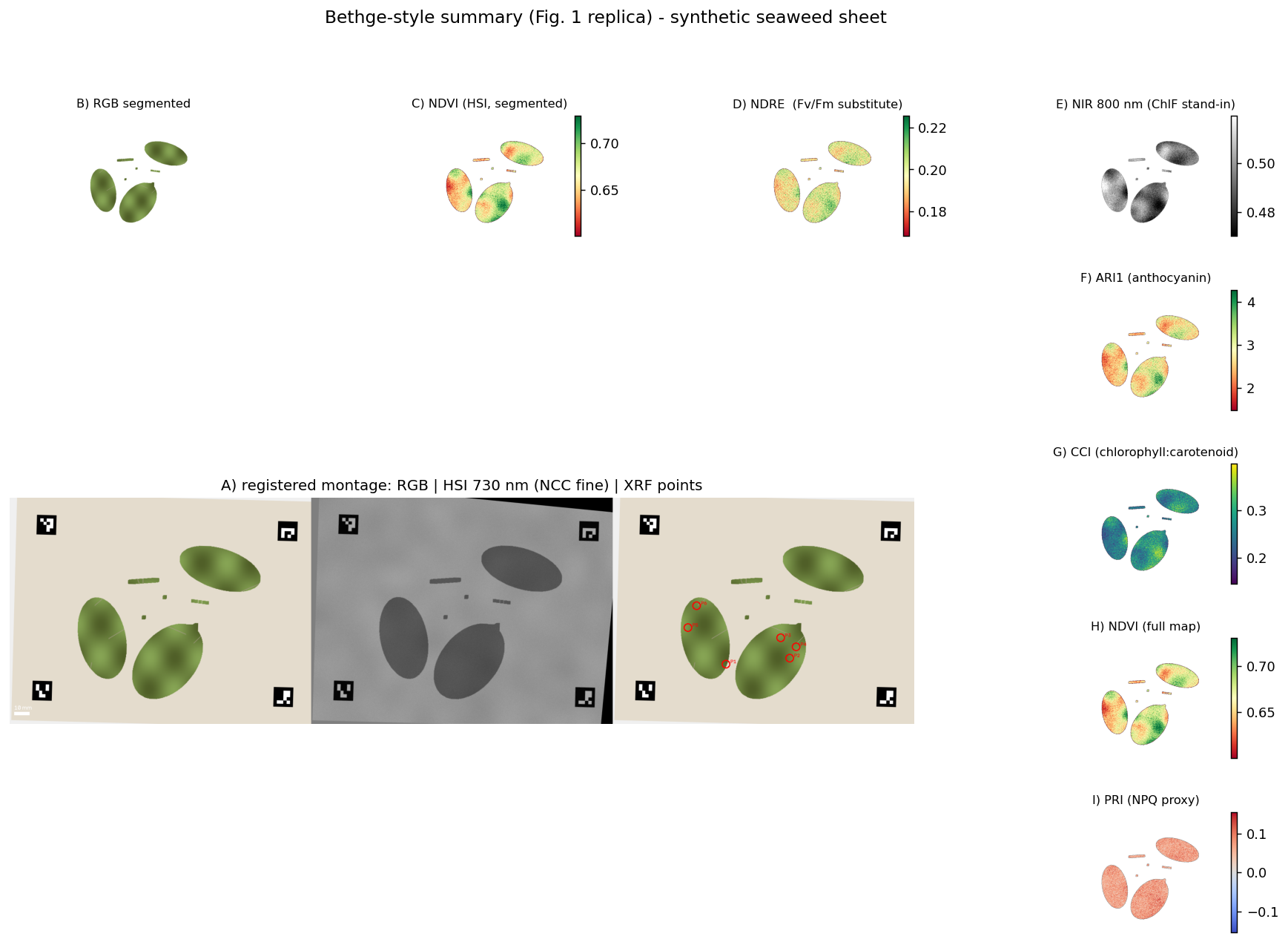
Vibralytics designs and develops the imaging and computer vision pipeline needed to turn a camera feed into an automated decision, from selecting the right imaging setup (standard, 3D/depth sensing, structured light or multispectral) through image processing, feature and edge detection, segmentation, object tracking and 3D reconstruction, to the classification or deep-learning model that makes the final call. Where relevant, this can be combined directly with Vibralytics’ spectroscopy and chemometrics work, so a single system can judge both what a product looks like and what it’s made of. Vibralytics also builds the software and interface layer so the output is a clear, usable result for the operator, not raw image data.
What you receive
- Feasibility assessment for your specific inspection, sorting or measurement problem
- Selected imaging approach (2D, 3D/depth, structured light or multispectral) matched to the task
- Developed and validated computer vision model (detection, segmentation, classification or measurement)
- Integration-ready model and software, with a user-friendly interface
- Option to combine vision with NIR/Raman/FTIR data for a combined look and composition system
- Report and documentation of methodology and performance