
🥚 Exploring Egg Properties with NIR Technology 🥚
🥚 Exploring Egg Properties with NIR Technology 🥚
Home » Blog » EFFoST 2024 conference in Bruges 🧀✨ EFFoST 2024 conference in Bruges 🧀✨ Thrilled to be presenting at the #EFFoST2024 conference in Bruges, sharing our research on innovative, non-destructive techniques for analyzing cheese! 🧀✨ We analyzed hyperspectral data from all cheese samples, applying diverse pretreatment and feature selection methods, and then training…
Home » Blog » SNEEUW, SNEEUW, SNEEUW! Snow, nieve, what a beauty! SNEEUW, SNEEUW, SNEEUW! Snow, nieve, what a beauty! https://vibralytics.nl/wp-content/uploads/2026/09/WhatsApp-Video-2026-01-09-at-10.35.37.mp4 We’ve been enjoying abundant snowfall here in the Netherlands, which reminds me so much of my stunning Patagonia… ❄️ What I find ABSOLUTELY FASCINATING about this research study, is how the authors recover physical…
Home » Blog » 💡 The Crucial Role of Data Cleaning in Soil Spectroscopy Analysis 💡 The Crucial Role of Data Cleaning in Soil Spectroscopy Analysis https://vibralytics.nl/wp-content/uploads/2026/09/WhatsApp-Video-2025-12-08-at-13.51.37.mp4 In many data analysis projects, especially when dealing with complex soil spectra, the most time-consuming step is often not building sophisticated models, but rather thoroughly cleaning and preparing…
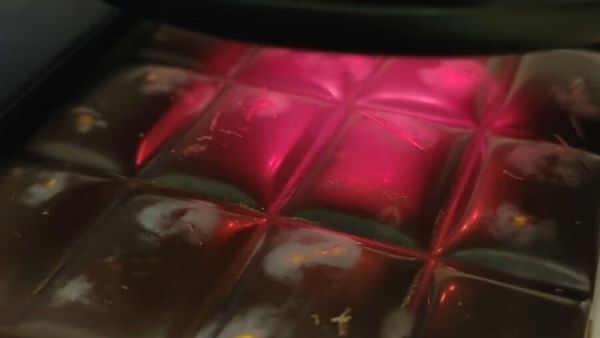
Home » Blog » Determination of nutricional content in chocolates by NIR Determination of nutricional content in chocolates by NIR Can we estimate caloric content and nutritional composition of chocolates in real time? We received a wide variety of samples: white, dark, filled, aerated. A lot of diversity, and that’s exactly where it gets interesting!…
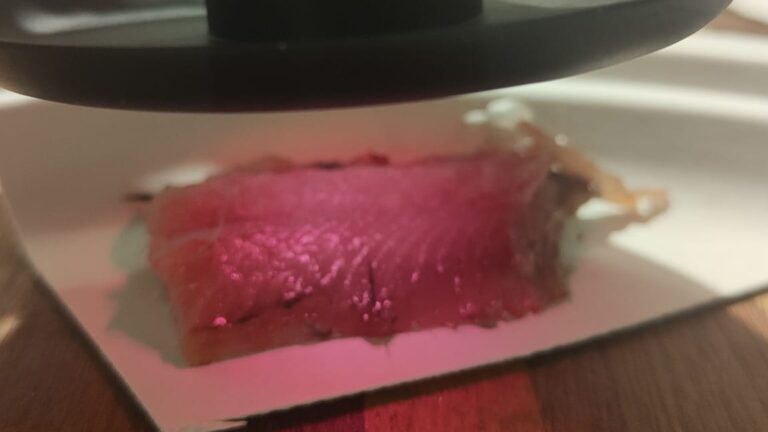
Home » Blog » 𝗪𝗵𝗮𝘁 𝗮𝗯𝗼𝘂𝘁 𝗳𝗶𝘀𝗵? 🐟 𝗪𝗵𝗮𝘁 𝗮𝗯𝗼𝘂𝘁 𝗳𝗶𝘀𝗵? 🐟 At 𝗩𝗶𝗯𝗿𝗮𝗹𝘆𝘁𝗶𝗰𝘀, we are currently developing a study focused on the 𝗰𝗹𝗮𝘀𝘀𝗶𝗳𝗶𝗰𝗮𝘁𝗶𝗼𝗻 𝗼𝗳 𝗳𝗶𝘀𝗵 𝗯𝗮𝘀𝗲𝗱 𝗼𝗻 𝗶𝘁𝘀 𝗳𝗿𝗲𝗲𝘇𝗶𝗻𝗴 𝗮𝗻𝗱 𝘁𝗵𝗮𝘄𝗶𝗻𝗴 𝗵𝗶𝘀𝘁𝗼𝗿𝘆. Fishing vessels and supply chain operators are not always able to reliably determine whether fish is truly 𝗳𝗿𝗲𝘀𝗵 (𝗰𝗮𝘂𝗴𝗵𝘁 𝘁𝗵𝗲 𝘀𝗮𝗺𝗲 𝗱𝗮𝘆)…
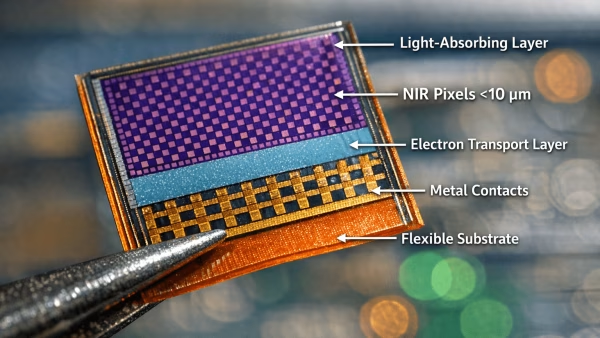
Home » Blog » Selection of NIR devices Selection of NIR devices Did you know it’s now possible to PRINT infrared detectors smaller than 10 micrometers? 😮😮 In a recent study by Zhixuan Zhao and Ran An at the National University of Singapore, the team developed pixels using semiconductor nanocrystals, printed layer by layer on…
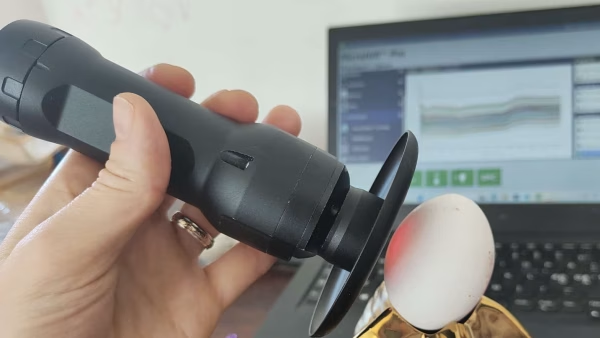
✨ Did you know that with NIR it is possible to assess egg freshness without even breaking the shell?
Egg foam properties are highly influenced by both external treatments and molecular changes over time.
Fresh egg: As eggs age, they undergo an alkalinization process due to the progressive loss of dissolved CO₂ from the aqueous matrix through the shell pores. This causes the aggregates that maintain the egg white’s translucency and viscosity to break down, while proteins begin to repel each other, becoming more transparent and fluid. The resulting loss of viscosity promotes drainage, making the foam less firm and less stable.
Addition of sodium chloride: Salt ions formed during dissociation dissolve in the aqueous matrix, blocking the formation of intermolecular bonds and preventing the consolidation of the protein network. This negatively affects both foaming capacity and foam stability.
Thermal processes: Heat induces protein aggregation and precipitation, further reducing foaming capacity and foam stability.
During storage, the loss of water and carbon dioxide, along with protein hydrolysis, lead to changes in the content of C–H, N–H, and O–H groups in eggs, further influencing their functional properties.
We are thrilled to carry out this experiment and to be able to evaluate changes in both egg yolk and egg white without breaking the shell.